
Selecting the Right Workstation for Organized, Comfortable, and Scalable Offices
A workstation is the foundation of a productive office environment where employees spend most of their working hours. The layout, structure, and design of the workstation directly affect comfort, focus, and collaboration. In modern offices where space optimization and employee efficiency are priorities, choosing the right workstation becomes a strategic decision rather than a simple furniture purchase.
A thoughtfully designed Workstation helps organize tasks, reduce distractions, and create a structured environment for daily operations. It offers individual work zones while maintaining a cohesive office layout that supports teamwork. With businesses increasingly focusing on employee well-being and performance, the workstation plays a central role in shaping efficient workspaces.
Why Workstations Are Essential in Modern Office Layouts
Unlike traditional desks placed randomly across a room, workstations provide a systematic arrangement that maximizes available space. They allow multiple employees to work comfortably without feeling crowded, while also ensuring easy communication when needed.
Workstations promote a balance between privacy and collaboration. Employees have their dedicated space, yet remain connected to the team, which is essential for modern workflow dynamics.
Benefits of Structured Workstation Layouts
- Efficient use of office floor space
- Organized seating arrangement for teams
- Improved communication between coworkers
- Reduced clutter through built-in storage
- Consistent and professional office appearance
These benefits make workstations a preferred choice for growing organizations.
Key Design Features That Make Workstations Effective
Modern workstation designs focus on functionality, comfort, and adaptability. They include elements that support daily tasks while keeping the workspace organized.
Common Workstation Features
| Feature | Purpose | Advantage |
|---|---|---|
| Partition Panels | Privacy | Reduced distractions |
| Integrated Desks | Unified layout | Space efficiency |
| Cable Ports | Wire management | Clean workspace |
| Drawer Units | Storage | Organized tools and files |
| Modular Structure | Flexibility | Easy expansion |
These features ensure workstations meet both practical and aesthetic needs.
Choosing the Right Workstation Size for Your Office
Selecting the correct size is crucial to maintain comfort and accessibility. Oversized workstations can crowd the office, while undersized ones can feel restrictive.
Practical Sizing Tips
- Measure available office floor space
- Allow walking paths between rows
- Consider number of employees per unit
- Plan for future expansion needs
Proper sizing creates a balanced and comfortable office layout.
Materials and Finishes for Long-Term Durability
Workstations are used continuously throughout the day. The materials must be strong enough to withstand daily wear while maintaining a professional look.
Popular Material Choices
- Engineered wood for modern corporate offices
- Laminated finishes for easy cleaning
- Matte textures to reduce glare
- Strong metal frames for stability
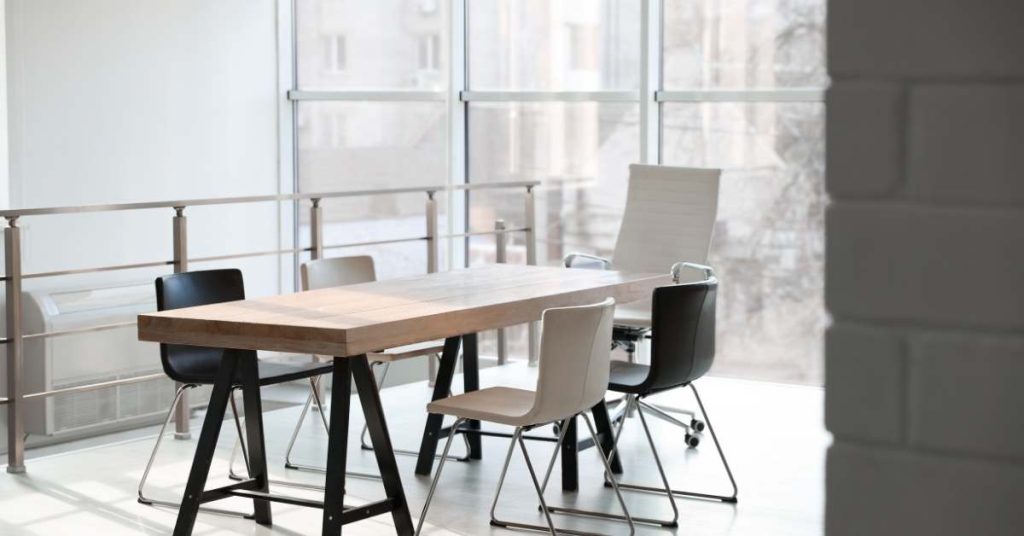
These materials ensure durability and low maintenance.
Enhancing Employee Comfort Through Ergonomic Design
Comfort is essential for maintaining productivity during long working hours. Ergonomic workstation design helps reduce physical strain and improves posture.
Ergonomic Considerations
- Proper desk height for typing and writing
- Sufficient legroom under the desk
- Smooth edges for arm comfort
- Space for monitor placement at eye level
These elements contribute to employee well-being.
Organizing Workstations for Maximum Efficiency
A well-organized workstation allows employees to access tools and documents easily without cluttering their space.
Organization Tips
- Use drawers for stationery and small items
- Keep the desk surface clear for work
- Arrange devices neatly with cable organizers
- Utilize partition shelves if available
Organized spaces improve focus and speed.
Workstations for Different Office Types
Different office environments require different workstation setups.
Matching Workstation Types to Needs
- Corporate teams: Linear multi-seat workstations
- Creative teams: Open layouts with larger surfaces
- Call centers: Compact partitioned units
- Startups: Modular workstations for flexibility
Selecting based on office type ensures functional efficiency.
Placement and Layout Planning
The way workstations are placed determines how effectively the office operates.
Layout Planning Tips
- Align workstations with lighting sources
- Keep pathways clear for movement
- Group teams based on project needs
- Place storage units at accessible points
Thoughtful planning enhances workflow.
Supporting Collaboration Without Sacrificing Privacy
Workstations allow teams to collaborate while maintaining individual focus. Partition panels reduce visual distractions while keeping communication easy.
This balance is ideal for modern workplaces that require both teamwork and concentration.
Maintaining Workstations for Longevity
Regular maintenance keeps workstations in excellent condition and preserves their professional appearance.
Maintenance Practices
- Clean surfaces daily
- Avoid overloading drawers
- Check fittings and partitions periodically
- Manage cables to prevent wear
These practices ensure long-term usability.
Creating a Professional and Organized Office Image
A well-arranged workstation layout reflects professionalism and discipline. Clients and visitors perceive organized workstations as a sign of an efficient and structured organization.
This positive impression supports brand credibility.
A Smart Investment for Scalable Office Growth
Investing in the right Workstation allows offices to scale easily as teams grow. Modular designs enable expansion without changing the entire layout.
With the right design, material, and planning, workstations become the backbone of a productive, organized, and comfortable office environment.